

A time of unrest
When the war ended, many soldiers were left without assignment or livelihood. Sweden was undergoing political and social transition, and uncertainty was widespread. During this period of disorder, it is said that armed men moved around Lake Vänern, sustaining themselves by stealing from farms and crofts.
On Kållandsö, several households received unexpected visitors. One spring day, an unknown man rowed ashore at Frösviken and was warmly welcomed by the crofter Anders Funke. It had been a good year at the croft, and the stores were well stocked. A few days later, large portions of food and goods had disappeared, both from Funke and from several neighbours.
The islet as a hideout
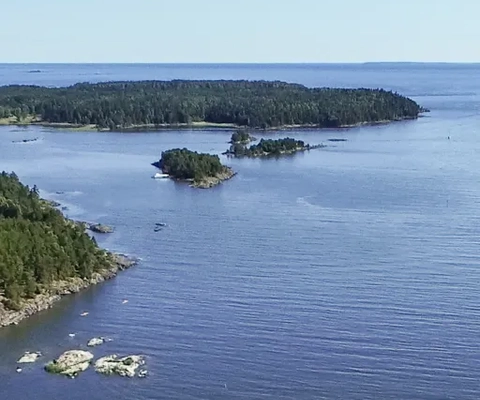
Soon, people began to notice fires burning out on the islet between Roparudden and Stora Eken. Men stayed there openly, and concern spread among the crofter families and no one dared to venture out to the islet.
After some time, the place was abandoned as suddenly as it had been occupied. When people finally dared to go there, they found remains of stolen goods and items suggesting that the men had a military background. The events lived on in local memories and, according to the stories, gave the islet its name Tjuvholmen.
Later on, similar incidents were said to have occurred in the area before calm eventually returned to the shores of Lake Vänern.
Tjuvholmen today
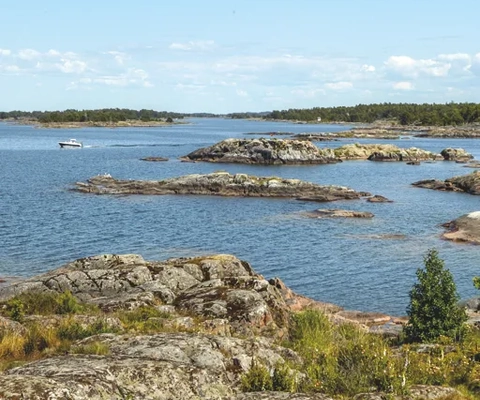
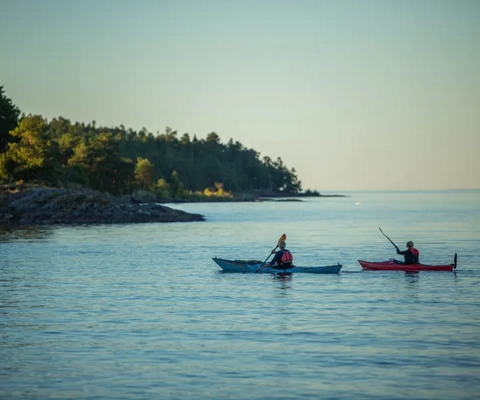
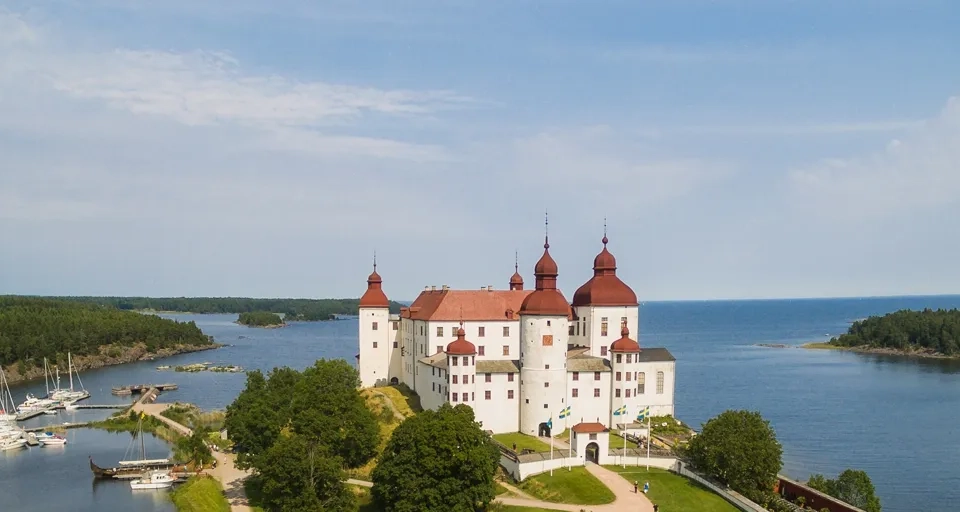
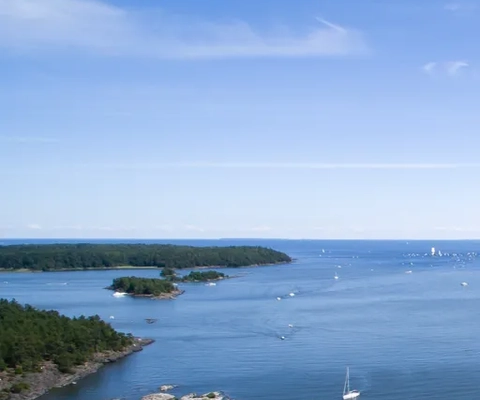
Today, Tjuvholmen is a peaceful place in the archipelago of Lake Vänern. For those travelling by boat or paddling kayak in the area, the islet forms part of the varied landscape surrounding Läckö. Here, nature’s calm prevails, with open waters, rocky skerries and wide views stretching toward the horizon.
The story of Tjuvholmen is a reminder that even small places can carry traces of larger historical events. Today, it is the tranquility that greets visitors – a place where nature, history and the vast waters of Lake Vänern come together.